Vessels for Life

Made by Hand in Belfast

A vessel made from the earth to hold someone you love


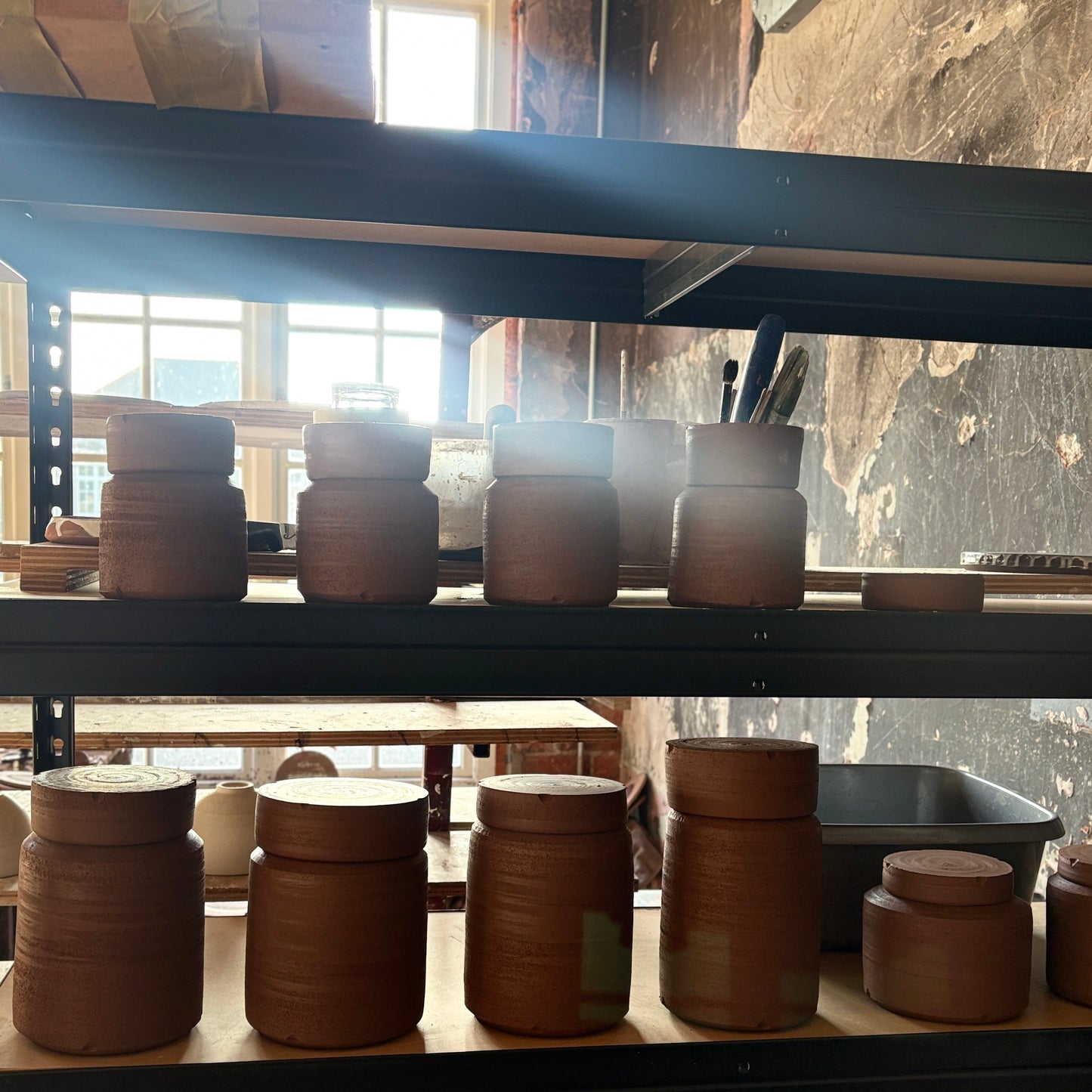
Handmade ceramic Keepsake Vessel being shaped by hand in the Stephen Farnan Studio in Belfast.

________________________________________________

Vessels For Life

When we lose someone we love, the things that connect us to them can take on a different meaning. We keep photographs. Letters. Jewellery. A favourite coat hanging for longer than it probably needs to. Some things become extraordinarily precious because of the people we associate with them.

I wanted these vessels to belong to that same world. Not something that needs to be hidden away, and not something that immediately announces what it contains. Simply a beautiful object, made by hand, holding someone you love.

The vessels don't have to hold ashes. They can simply become a place for some of those precious things - letters, photographs, a lock of hair, a hospital wristband, or the little fragments of a life that suddenly mean everything.

Because every vessel begins with earth, there is something fitting in knowing that one day it may return there too. You may choose to keep the vessel and its precious contents close to you at home, or place it somewhere meaningful, in a garden of remembrance, beneath a tree in a woodland, or in another special place.

However it is kept, its material comes from the earth and can ultimately be returned to it, in your own time.

Made for a life remembered.


A Little Life Vessel


How Vessels For Life Began

Recently, I was honoured to be asked to make a vessel to hold the ashes of someone very important to us. It was a simple lidded vessel, made by hand in my Belfast studio. It was never intended to become a collection, but afterwards people began asking if I could make something similar for someone they had lost. I also found myself remembering the beautiful pots made by my friend Elizabeth Kinder, whom I studied with at the Royal College of Art, London, in the late 1990's. Some were made specifically to hold ashes, and I remember being struck by how incredibly beautiful and precious they felt.

And so Vessels for Life began.

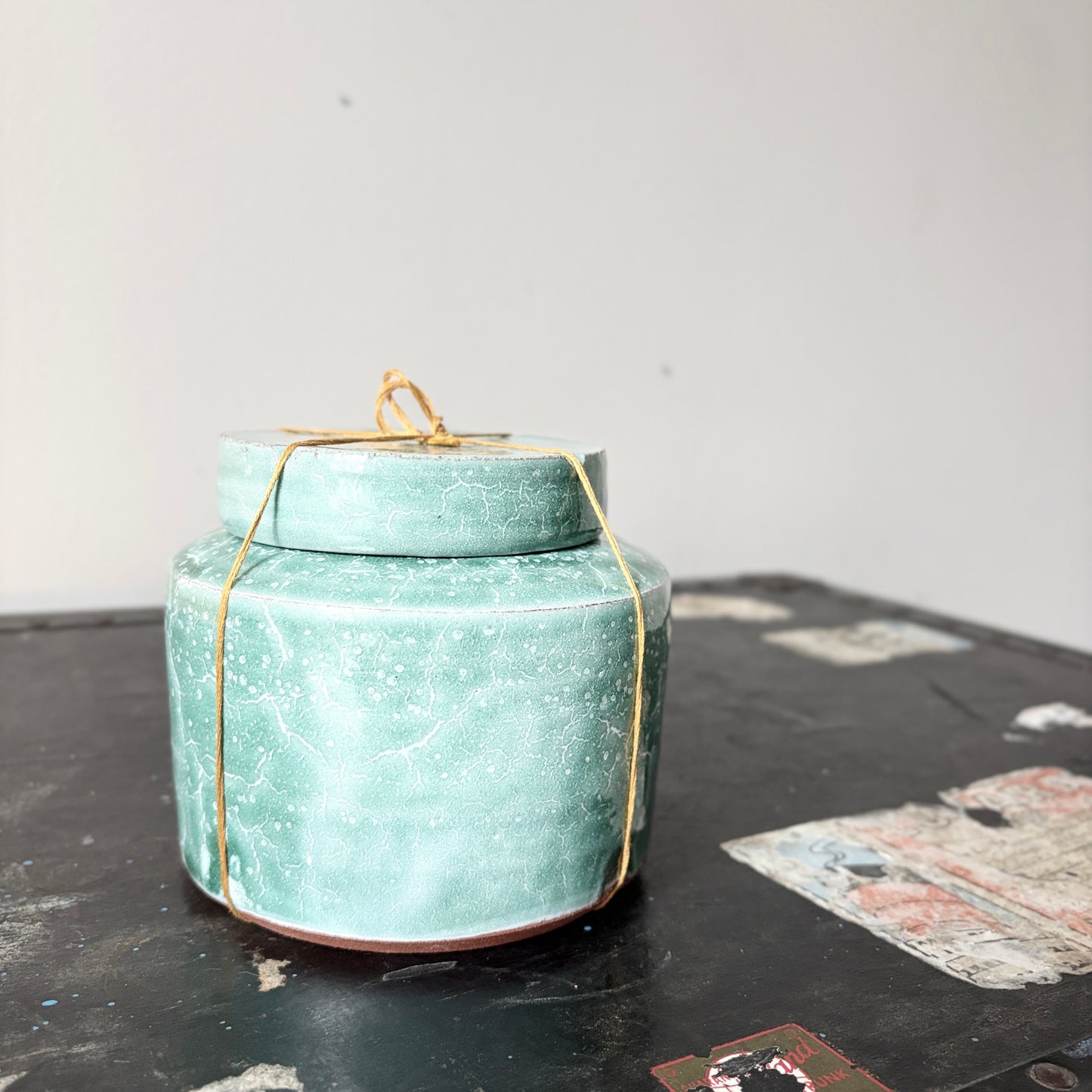
Each vessel is individually made by hand, a piece of pottery designed to live quietly and beautifully in the home, holding something incredibly precious for as long as you need it to. And if a time comes when you feel ready, the vessel can be placed or buried somewhere meaningful.

Made from earth, it can ultimately be returned to the earth, in its own time.

A LIFE IN CLAY

My own connection with making goes back much further than my first pottery studio.

As a child, I was always making things. My mum taught me to bake, and I think I have always been drawn to that simple act of taking basic materials and turning them into something useful.

That same idea has stayed with me in pottery.

I like objects that function well, that have a quiet beauty, and that don't need to shout about what they are. A good pot can simply sit in a room and do the thing it was made to do.

There is something especially fitting about clay for these vessels. It is one of the simplest materials we have. Red earthenware, in particular, is humble and direct. It comes from the earth, is mixed with water, shaped by hand and transformed by fire into something that can remain with us for generations.

And eventually, if we choose, it can return to the earth again.

That simple cycle - from earth, to object, through use and memory and returned to earth again - is quietly at the heart of Vessels for Life. Not simply a container for ashes, but a vessel made to hold someone you love.

 
1 of 2
 

The Making

Made slowly, by hand

Made By Hand in Belfast

Every Vessel for Life begins with clay.

I make each one individually in my Belfast studio using a red earthenware clay, a warm, natural clay that I deliberately allow to remain visible as part of the finished piece.

The vessel and its lid are made separately and carefully brought together. They are dried slowly before being fired, glazed and returned to the kiln.

There are no moulds producing identical objects.

The shape of each vessel, the movement of the glaze and the marks left by my hands will vary slightly from one to the next.

That matters to me.

These objects are made to hold something entirely individual and precious, and I think the vessel itself should retain something of the hand that made it.